Letter from Dr. Philippe BUCHY, General Director
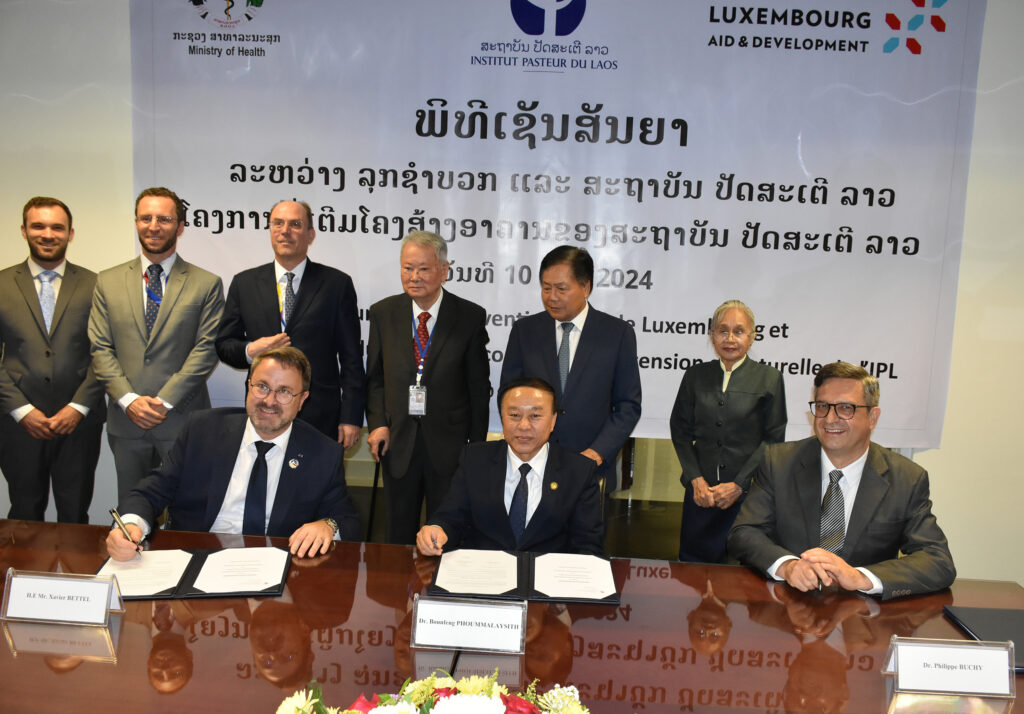
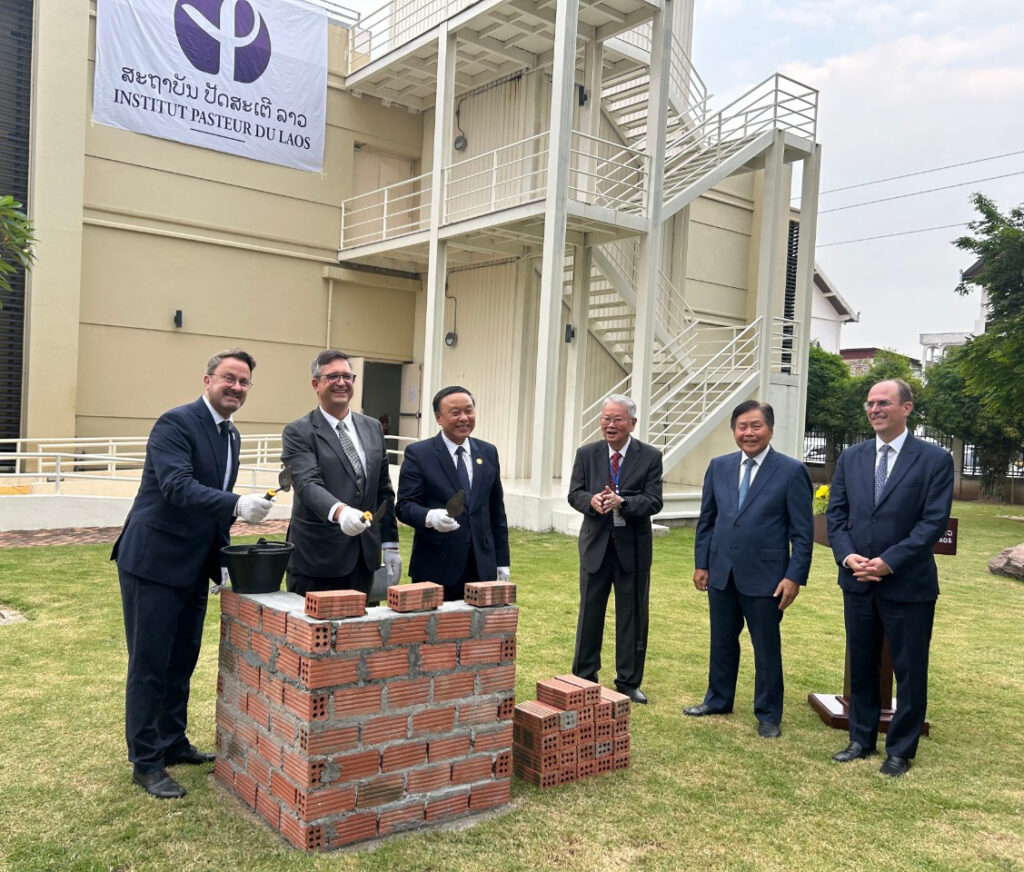
 The year 2025 was marked by the beginning of expansion work at the Institut Pasteur du Laos, funded by the Grand Duchy of Luxembourg. The new facilities are scheduled for inauguration in 2026. They will include new BSL2 virology laboratories, a medical entomology laboratory, an immunology laboratory, a conference room, numerous offices for researchers, a large biobank, archives, a waste storage building, and more. These significant structural improvements will enable the IPL to implement its new scientific strategy.
On the dengue front, the year saw the emergence of dengue serotype 1, whereas in 2024, serotype 2 was still largely dominant.
Projects monitoring and studying the circulation of avian influenza viruses have generated valuable data on H5N1 and H9N2 viruses in Laos, based on animal and environmental samples collected at live poultry markets across the country. The inventory of viruses present in Laos’s wildlife has continued, with over 14,000 biological samples now collected and tested for the detection of 8 virus families that could pose potential health risks to humans. Many viruses have been detected and are currently being characterized in partnership with teams from the National Microbiology Laboratory in Canada. With the support of Global Affairs Canada.
As part of the PIMES project, funded by the French Embassy, serological and molecular tests have been developed to detect the possible circulation of new viruses identified in wild animals and insect vectors within the human population. To this end, prospective human studies (PROS-PIMES) have been initiated in various localities across Laos.
The PIMES project also provided an opportunity to strengthen national and regional capacities through training workshops in serology, molecular biology, and bioinformatics.
The SATREPS project, funded by JICA and AMED (Japan), led by the parasitology laboratory, enabled, in 2025, the provision of LAMP equipment to 25 laboratories in malaria-endemic areas to detect asymptomatic forms of the disease as part of Laos’s malaria elimination program. Significant work on environmental detection of Schistosoma mekongi and Opisthorchis viverrini, also included in SATREPS and reinforced by the RISTRETO project (collaboration with the Luxembourg Institute of Science and Technology funded by the Luxembourg National Research Fund) and the Indo-Pacific FEF (funded by the French government), was also initiated during the year.
Several projects on viral hepatitis (carriage of hepatitis B among blood donors, links between hepatitis A and E and hygiene levels, etiology of acute hepatitis) continued under the PaReCIDS program supported by the Luxembourg government and in partnership with the Luxembourg Institute of Health. This program also aimed to measure protective antibody titers conferred by vaccination in pregnant women and their children and to monitor measles vaccination coverage. The recruitment of children under 5 years in Vientiane to study hospitalization causes in this age group will, at the beginning of 2026, reach the desired number of patients to complete this study with planned laboratory analyses.
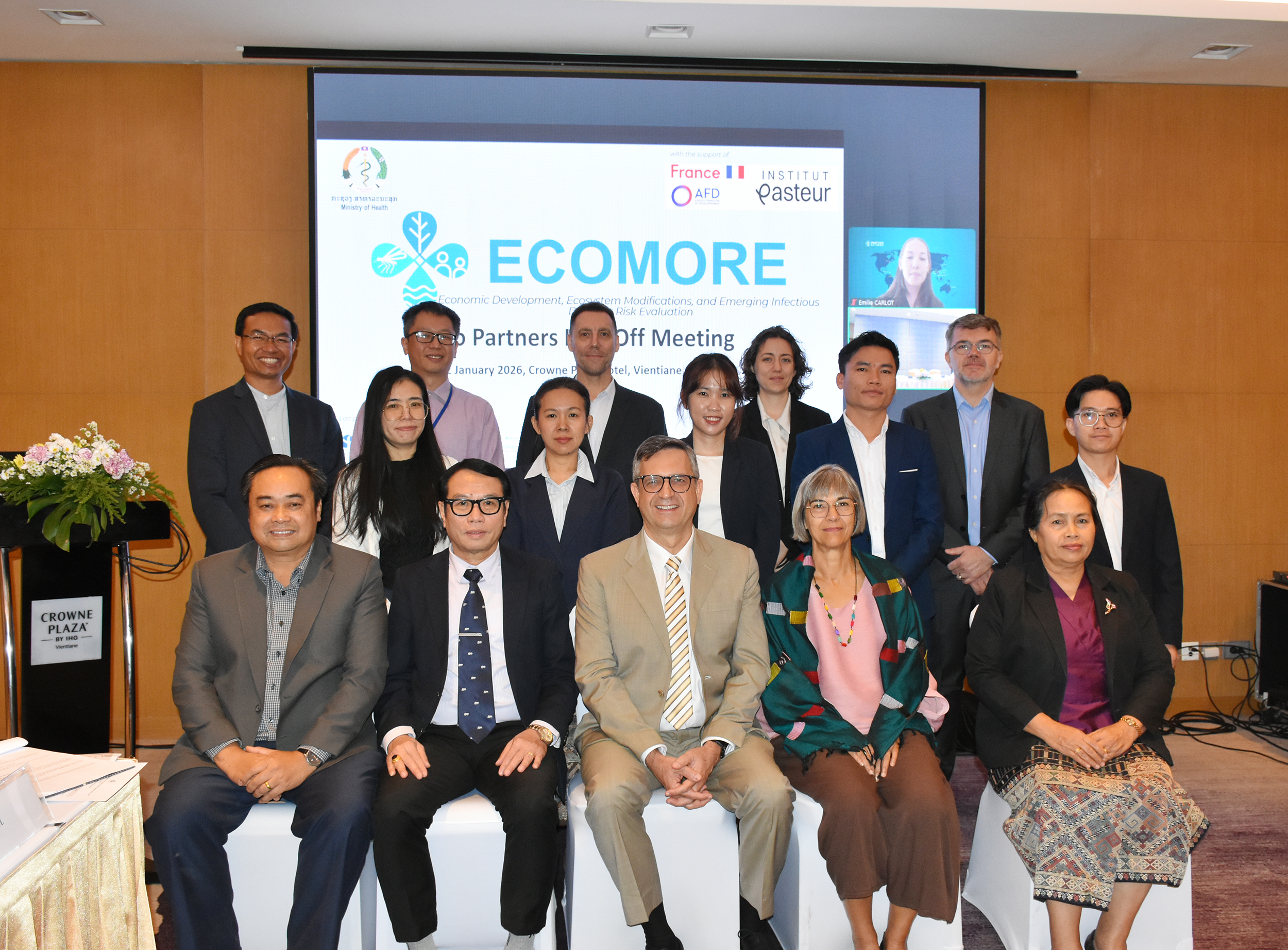
The role of climate in arbovirus transmission is being studied in several programs (Grand Challenges, ECOMORE) thanks to the expertise provided by a young scientist funded by the Pasteur Network (Climate Health Fellow).